After childbirth, many moms notice their bodies feel different in ways they did not expect. Some changes are easy to notice, like sore muscles or a stiff back. Others are quieter and happen deep inside the body. One area that often needs care after birth is the pelvic floor. That is where pelvic floor physiotherapy can make a big difference.
It helps new moms understand their bodies and recover with the right support. Many women in Canada are starting to talk more openly about recovery after childbirth. Clinics that offer pelvic floor physiotherapy treatment in Winnipeg see moms who want to heal properly and feel strong again. Treatment focuses on helping moms move comfortably again and feel confident in their bodies.
Why Postpartum Recovery Needs More Attention?
Many new moms naturally focus all their attention on their baby. But the body also needs time and care to recover. Sometimes the pelvic muscles need guidance to recover properly. Some may become weak. Others may stay tight and painful. Without proper guidance, exercises found online may even make things worse.
This is where pelvic floor physiotherapy becomes helpful. A therapist checks muscle strength, breathing patterns, posture, and daily habits. Then they create a recovery plan that suits the individual mom. In many clinics offering pelvic floor physiotherapy in Winnipeg, treatment also includes education.
7 Major Benefits of Pelvic Health Physical Therapy Every Mama Must Know
Helps Restore Pelvic Muscle Strength
A major goal of pelvic floor physiotherapy is to help these muscles regain strength after birth. Weak muscles can lead to bladder leaks or pelvic pressure. These issues can affect daily life. A pelvic floor physiotherapist guides gentle exercises that slowly rebuild strength. These exercises are simple but highly targeted to the pelvic muscles. For example, therapy may include:
- Guided pelvic floor contractions
- Breathing coordination exercises
- Core muscle activation
- Gentle stability work
Over time, stronger muscles support the bladder and pelvic organs better.
Reduces Postpartum Bladder Leaks
Bladder leaks are one of the most common postpartum concerns. Many moms think it is something they just have to live with. That is not true. Leaks when laughing, sneezing, or jumping are often a sign that pelvic muscles need support. With pelvic floor physiotherapy, therapists teach proper muscle engagement.
They also help retrain the body to respond during activities that create pressure. Clinics offering the best pelvic floor physiotherapy often combine exercise with lifestyle advice. This might include tips for lifting the baby, coughing safely, or improving bathroom habits. Many moms start noticing better control and comfort after a few weeks of guided therapy.
Supports Healing After Vaginal Birth or C-Section
Childbirth can involve tearing, stitches, or scar tissue. Even a C-section can affect pelvic floor function because the abdominal muscles and connective tissues are involved. A pelvic floor physiotherapist can help manage:
- Scar tissue sensitivity
- Tight muscles
- Pain during movement
- Abdominal weakness
Treatment may include gentle manual therapy, stretching, and movement training. Moms receiving pelvic floor physiotherapy in Winnipeg often report feeling more comfortable moving again after a few sessions.
Improves Core Stability
The pelvic floor works closely with the core muscles. This includes the deep abdominal muscles & the diaphragm. After pregnancy, these muscles can lose coordination. That is why some moms feel unstable when lifting, walking long distances, or carrying their baby. Pelvic floor physiotherapy focuses on reconnecting these muscle groups.
Exercises are designed to restore balance between breathing, core support, and pelvic floor engagement. This approach is often used by therapists providing the best pelvic floor physiotherapy because it supports long-term strength.
Helps Manage Pelvic Pain
Some women experience pelvic pain after delivery. The pain may appear in the hips, tailbone, or deep in the pelvic region. This discomfort can happen if muscles stay tight after childbirth. A skilled pelvic floor physiotherapist can identify these tight areas and work on relaxing them. Treatment may include:
- Gentle muscle release techniques
- Guided stretching
- Relaxation breathing exercises
- Posture corrections
Over time, many women report reduced pain and improved comfort during daily activities.
Supports Safe Return to Exercise
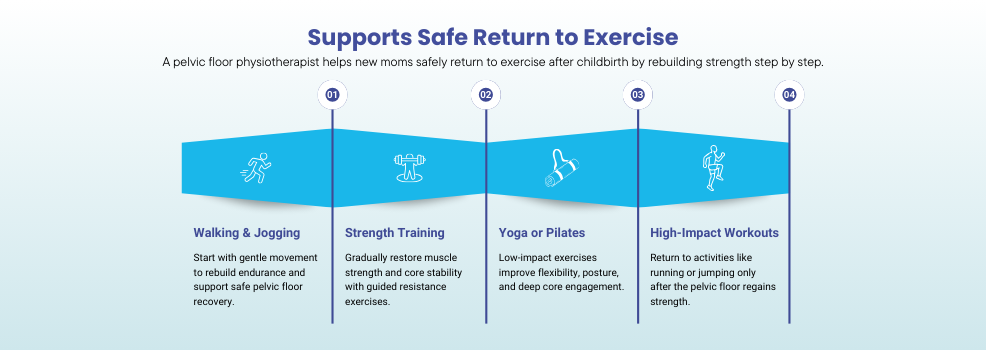
Many moms want to return to fitness after giving birth. That is great for physical and mental health. But jumping back into workouts too quickly can stress the pelvic floor. A pelvic floor physiotherapist helps moms rebuild strength step by step. Therapy may guide the safe return to activities such as:
- Walking and jogging
- Strength training
- Yoga or Pilates
- High-impact workouts
Clinics offering pelvic floor physiotherapy in Winnipeg often create gradual exercise plans that protect healing tissues. This reduces the risk of injury later.
Helps Prevent Pelvic Organ Prolapse
Pelvic organ prolapse happens when pelvic organs shift downward due to weak support muscles. It can cause pressure, discomfort, or a bulging feeling in the vaginal area.
Not every woman experiences prolapse. But the risk increases after pregnancy and delivery.
Pelvic floor physiotherapy strengthens the muscles that support these organs. Early therapy can help reduce strain on the pelvic structures. This is why many providers of the best pelvic floor physiotherapy recommend postpartum assessments even if symptoms are mild.
What Happens During a Pelvic Floor Physiotherapy Visit?
A first visit usually starts with a conversation. The therapist asks about pregnancy, delivery, symptoms, and daily habits. Then they may perform an assessment of:
- Pelvic floor muscle strength
- Breathing patterns
- Core stability
- Posture and movement
The assessment is gentle and done with consent. Based on the results, the pelvic floor physiotherapist creates a personalized plan.
Final Thoughts on the Benefits of Postpartum Pelvic Floor Physiotherapy
Pelvic floor physiotherapy offers new moms a safe and supportive way to rebuild strength, manage symptoms, and understand their bodies after childbirth. Whether you are dealing with bladder leaks, pelvic discomfort, or simply want to recover fully, seeking help from a trained pelvic floor physiotherapist can make a meaningful difference.
At Bridgwater Physiotherapy, our experienced team understands the unique recovery journey that comes after pregnancy and childbirth. We provide personalized pelvic floor physiotherapy treatment in Winnipeg designed to support your healing, improve strength, and help you feel confident in your body again. If you are ready to take the next step in your postpartum recovery, contact us today to book your pelvic floor assessment.
Frequently Asked Questions
When Should You See a Pelvic Floor Physiotherapist After Birth?
Most women are advised to wait about six weeks after a vaginal birth before having an internal pelvic exam. This allows the tissues time to heal properly. However, if you are dealing with concerns like bladder or bowel issues, pelvic pressure, mastitis, or pain, you can see a pelvic floor physiotherapist earlier for guidance and support.
What Happens If I Don’t Do Pelvic Floor Exercises After Birth?
The pelvic floor muscles undergo a lot during pregnancy & childbirth. If they remain weak after delivery, you might notice urine leaks when you cough, sneeze, or strain. Doing regular exercises as part of pelvic floor physiotherapy helps strengthen these muscles and supports better bladder control and recovery.
What Happens on the First Day of Pelvic Floor Physical Therapy?
During your first visit, a pelvic floor physiotherapist will talk with you about your symptoms, pregnancy, and recovery. They may check posture, breathing, and muscle strength to understand how your body is healing.