

Many people feel hand pain while gripping, typing, or doing daily tasks and assume arthritis is the cause. However, nerves, tendons, and soft tissues can also cause significant discomfort. Identifying the real cause makes treatment far more effective. Without that, you cannot get relief, and the pain can worsen.
Physiotherapy for hand pain focuses on addressing these non-arthritic causes. A hand physiotherapist can evaluate your symptoms and create a personalized plan. In this blog, we will inform you about how hand physiotherapy in Winnipeg helps you restore strength, reduce pain, and improve hand function.
Why Not All Hand Pain Is Arthritis
A common misconception is that hand pain automatically means arthritis. However, several conditions mimic arthritis symptoms, including swelling, stiffness, weakness, numbness, or clicking sensations. These issues may involve tendons, nerves, ligaments, or soft tissues rather than the joints themselves.
Because hand structures work closely together, pain can easily overlap. Contacting a hand physiotherapist in Winnipeg early ensures an accurate diagnosis of non-arthritic pain. An accurate assessment allows treatment to focus on the root cause instead of simply managing symptoms.
Understanding Nerve, Tendon, and Soft Tissue Causes
Problems involving nerves, tendons, or soft tissues can develop slowly or appear suddenly. This can significantly interfere with daily activities. Identifying the exact source of pain is essential for long-term recovery.
Carpal Tunnel Syndrome: A Common Nerve Cause
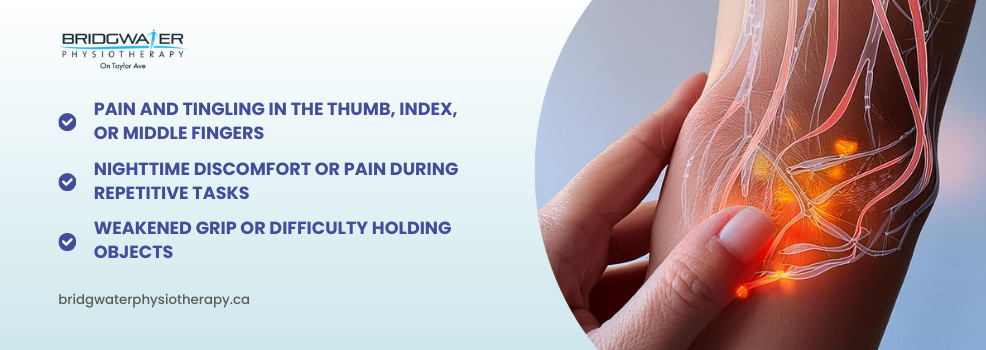
Carpal tunnel syndrome is one of the most frequently diagnosed nerve-related causes of hand pain. CTS (carpal tunnel syndrome) happens when your median nerve is compressed as it goes through a narrow tunnel in the wrist. Symptoms of carpal tunnel syndrome include:
- Pain and tingling in the thumb, index, or middle fingers
- Nighttime discomfort or pain during repetitive tasks
- Weakened grip or difficulty holding objects
A hand physiotherapist in Winnipeg can perform detailed hand assessments. Treatments include activity modification and hand physiotherapy exercises. This helps relieve pressure on the nerve and restore normal function without surgery.
Tendonitis and Tendinosis: Hand Overuse Problems
Tendon issues are another leading cause of hand and wrist pain. Although tendonitis and tendinosis are sometimes used interchangeably, they differ:
- Tendonitis: Acute inflammation caused by overuse or repetitive strain
- Tendinosis: Chronic tendon degeneration from long-term stress without proper healing
Both conditions cause sharp pain during gripping, lifting, or twisting. Patients may notice tenderness, swelling, and decreased strength. With early intervention, most tendon issues respond well to physiotherapy for hand pain. This includes activity modification, stretching, and hand strengthening exercises.
Trigger Finger: Pain and Locking Sensation
Trigger finger occurs when the tendon’s pulley becomes inflamed or narrowed. This condition causes fingers to catch, lock, or snap during movement. Common symptoms include:
- Clicking or snapping when straightening or bending the finger
- Pain and stiffness, especially in the morning
- Difficulty fully straightening the affected finger
Physiotherapy for hand pain focuses on activity modification and various exercises to reduce inflammation. A hand physiotherapist provides a customized plan to restore smooth finger movement and relieve pain.
Nerve Entrapments and Neuropathy
Compressed nerves in the wrist, forearm, or elbow can also cause hand pain. Common examples include ulnar nerve entrapment and radial tunnel syndrome. These causes include repetitive motion, trauma, or naturally narrow nerve pathways. Symptoms may include:
- Numbness or tingling in certain fingers
- Burning pain along the hand or forearm
- Weakness or clumsiness in hand movements
Hand physiotherapy in Winnipeg can relieve pressure, strengthen surrounding muscles, and improve overall hand function without surgery.
Soft Tissue Injuries and Scar Tissue Restrictions
Soft-tissue injuries, such as ligament sprains or muscle strains, can also cause continuous hand pain. Scar tissue from previous injuries or surgeries may restrict movement and cause mild discomfort during daily activities. A hand physiotherapist in Winnipeg uses specialized techniques to improve tissue mobility, reduce adhesions, and restore standard hand mechanics. This helps improve range of motion, grip strength, and overall hand coordination.
How Hand Physiotherapy Helps Manage Non-Arthritic Hand Pain
A hand physiotherapist in Winnipeg begins with a thorough assessment of movement patterns, strength, nerve sensitivity, and functional limitations. Based on the findings, a tailored hand physiotherapy treatment plan is created. Hand physical therapy may include gentle mobilization techniques to improve strength and flexibility.
Additionally, physiotherapists provide guidance on posture and activity modification, which play a significant role in preventing symptom recurrence. By restoring proper movement and reducing strain on affected structures, hand physiotherapy promotes long-term pain relief and functional recovery.
What to Expect During Hand Physiotherapy Treatment
Hand physiotherapy follows a structured, step-by-step approach. When you consider hand physical therapy for pain that is not caused by arthritis, then you may get:
- Personalized hand and wrist exercises
- Gentle manual therapy techniques
- Functional training for work or daily tasks
- Guidance on splinting or taping if needed
- Guidance on injury prevention and self-management
When to See a Hand Physiotherapist for Pain That Isn’t Arthritis
Early intervention is crucial. People often wait months, thinking hand pain is just aging or arthritis. Delaying treatment can worsen symptoms or prolong recovery. You should consult a hand physiotherapist in Winnipeg if you experience:
- Continuous pain or stiffness
- Numbness or tingling in fingers
- Weak grip or difficulty with daily tasks
- Finger locking, snapping, or popping
Conclusion
Hand pain is not always a sign of arthritis, and overlooking other causes can delay recovery and worsen symptoms. Physiotherapy for hand pain plays a vital role in treating non-arthritic hand conditions by restoring strength, improving mobility, and reducing discomfort through personalized care. With early intervention, expert assessment, and targeted treatment, hand physiotherapy can help individuals regain normal hand function.
At Bridgwater Physiotherapy, our experienced physiotherapists start with a detailed assessment to identify the actual cause of your hand pain. By carefully evaluating movement, strength, and soft-tissue function, we develop a personalized hand physiotherapy plan. Contact us today!